Key takeaways
- AI simplifies daily tasks like shopping and navigation.
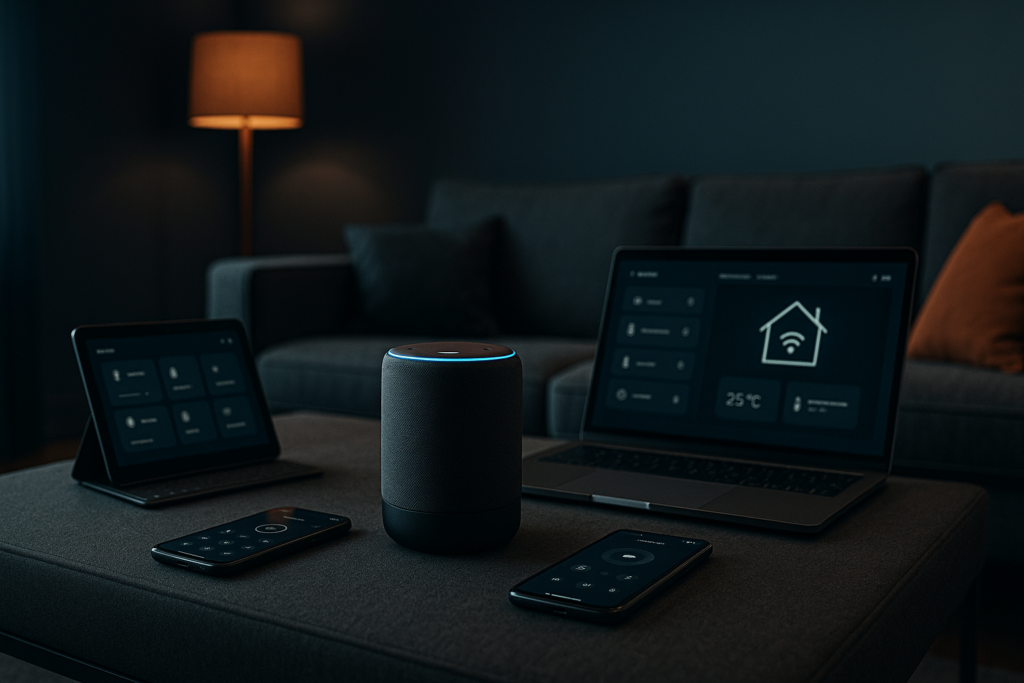
- Smart home devices use AI to optimize living.
- AI-driven apps enhance personalized learning.
- Virtual assistants streamline communication and scheduling.
- AI aids in health monitoring and management.
How Does AI Simplify Your Daily Shopping?
Ever noticed how your online shopping cart seems to know what you want before you do? That’s AI at work. By analyzing your browsing history and purchase patterns, AI algorithms suggest products tailored to your preferences. For instance, when you’re shopping for groceries online, AI can recommend items you frequently buy, saving you time and effort.
AI doesn’t just stop at suggestions. It improves the checkout process too. Many e-commerce sites use AI to detect fraudulent transactions, ensuring your shopping experience is safe and secure. Imagine you’re buying a new laptop; AI systems can flag suspicious activity if your card is used in two distant locations at once.
In brick-and-mortar stores, AI enhances the shopping experience by managing inventory in real-time. Smart shelves can update stock levels automatically, so you always find what you need. For example, if a product runs low, the system alerts staff to restock shelves promptly.
Can AI Improve Your Daily Commute?
Navigating through traffic can be a headache, but AI is here to help. GPS apps use AI to provide real-time traffic updates, helping you find the quickest route. Whether you’re avoiding traffic jams or finding a detour, AI makes commuting less stressful.
AI also plays a crucial role in public transport. Predictive algorithms can analyze passenger data to optimize bus and train schedules. So, if you rely on public transport to get to work, AI ensures you have a smoother ride by minimizing wait times.
Moreover, AI is increasingly present in vehicles themselves. Advanced driver-assistance systems (ADAS) use AI to improve safety, from lane-keeping assistance to adaptive cruise control. For instance, if you’re driving on a highway, AI helps maintain a safe distance from the car ahead.
How Does AI Transform Your Home Life?
Smart homes are no longer a thing of the future. AI enables devices like thermostats and lighting systems to learn your preferences and adjust settings automatically. Imagine waking up to a house that’s already at the perfect temperature, thanks to AI learning your routine.
Virtual assistants like Alexa or Google Assistant are powered by AI, making everyday tasks easier. Whether you’re setting a reminder or playing your favorite playlist, these assistants respond to voice commands, streamlining your daily routine.
Security is another area where AI excels. AI-powered cameras can recognize faces and alert you to unusual activity. For example, if someone approaches your door, the system sends a notification, helping you keep your home secure even when you’re away.
Is AI Changing the Way You Learn?
AI is revolutionizing education by providing personalized learning experiences. Online platforms use AI to tailor content based on your progress and learning style. If you’re taking an online course, AI can suggest additional resources to enhance your understanding of complex topics.
Language learning apps are a great example of AI in education. They adapt to your pace and focus on areas where you need improvement. Suppose you’re learning Spanish; the app might increase exercises on verbs if it detects you’re struggling with them.
AI also supports traditional classrooms. Intelligent tutoring systems offer personalized feedback, helping students grasp difficult concepts. For instance, a student struggling with algebra can receive customized exercises to improve their skills.
How Do Virtual Assistants Streamline Your Communication?
Virtual assistants are more than just voice-activated gadgets. They help manage your schedule by setting appointments and sending reminders. Imagine you have a busy day; your assistant can ensure you never miss a meeting.
AI-driven chatbots are transforming customer service. They handle routine inquiries, freeing up human agents for complex issues. For example, if you need tech support, a chatbot can guide you through troubleshooting steps before connecting you to a specialist.
In the workplace, AI streamlines communication by transcribing meetings in real-time. This feature ensures everyone stays on the same page, even if they couldn’t attend the meeting. For instance, if you’re in a global team, AI transcription ensures no one misses out due to time zone differences.
How Is AI Helping You Stay Healthy?
AI is making significant strides in healthcare, enabling better health monitoring and management. Wearable devices like smartwatches use AI to track your fitness levels and vital signs. Imagine your watch alerting you when your heart rate is unusually high, prompting you to take action.
AI also assists in diagnosing conditions. Algorithms analyze medical images to help doctors detect diseases earlier. If you undergo a scan, AI can highlight areas of concern for further examination, potentially catching issues before they become serious.
Healthcare apps use AI to offer personalized advice based on your health data. For example, if you’re managing diabetes, the app can suggest dietary adjustments to keep your blood sugar levels stable.
What Does the Future Hold for AI in Everyday Life?
The future of AI in daily life looks promising, with continuous advancements on the horizon. AI is set to become even more integrated, with smarter home appliances and more efficient healthcare solutions. Imagine refrigerators that order groceries when supplies run low, or personalized health plans based on AI analysis.
AI’s role in sustainable living is also growing. Smart grids use AI to optimize energy consumption, reducing waste and lowering costs. This means your home can become more energy-efficient without significant lifestyle changes.
As AI technology evolves, ethical considerations will play a crucial role. Ensuring data privacy and preventing biases in AI systems will be essential. As a user, being informed and engaged in these discussions will shape how AI benefits society.
Conclusion: Embrace AI’s Potential
AI is already a part of your daily life, enhancing convenience and efficiency without you even noticing. From your morning commute to your evening relaxation, AI streamlines tasks and improves your quality of life. Stay curious about how AI evolves and consider how you can harness its potential to make your everyday experiences even better.
FAQ
How does AI affect my privacy?
AI relies on data to function effectively, which raises privacy concerns. It’s crucial to be aware of how your data is used and ensure that companies follow strict privacy policies. Always review privacy settings on your devices to maintain control.
Can AI replace human jobs?
AI can automate repetitive tasks, potentially affecting jobs that involve such activities. However, it also creates new opportunities by enabling more complex and creative roles. The key is adapting to changing job landscapes and acquiring new skills.
Is AI reliable for health monitoring?
AI technology in health monitoring is constantly improving, providing reliable insights. However, it should complement professional medical advice, not replace it. Always consult healthcare providers for comprehensive diagnoses and treatment.
How does AI handle mistakes?
AI systems learn from data, and errors can occur if the data is flawed. Developers continuously update algorithms to improve accuracy. It’s essential to report issues to help refine AI systems further.
What are the ethical concerns with AI?
Ethical concerns include data privacy, bias in algorithms, and decision-making transparency. Addressing these involves developing fair algorithms and ensuring AI systems are accountable. Public discourse and regulations play vital roles in managing these challenges.