Key takeaways
- Deepfakes and AI scams are now easy to create and hard to spot.
- Simple habits help you detect fakes before you fall for them.
- Trust real conversations over viral videos or unknown messages.
- Tech tools can help, but skepticism is your best defense.
- AI manipulation is here to stay—learn to outsmart it, not fear it.
Are you sure that’s really them? Why deepfakes and AI scams fool even smart people
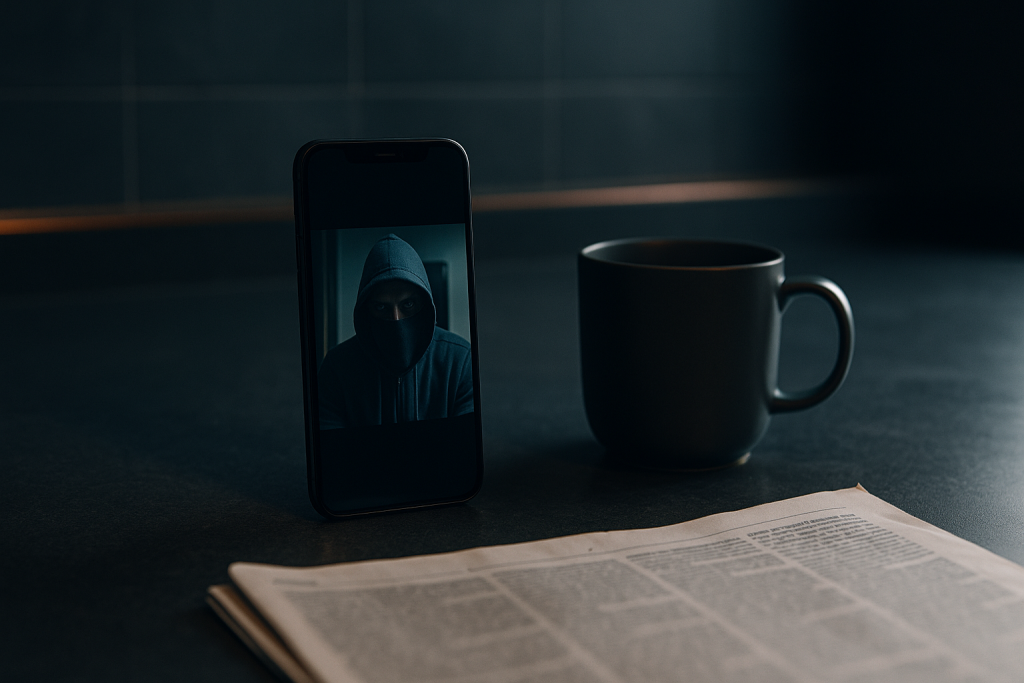
Imagine getting a video call from your boss, urgently requesting a confidential document. The face, the voice—everything looks real. Would you send it? AI deepfakes and manipulation have become so convincing that even careful people get fooled. So, how can you truly protect yourself from these digital illusions? The answer isn’t as simple as „be careful online.“ You need clear habits, sharp tools, and a healthy dose of skepticism.
A deepfake is a synthetic image, video, or audio clip that uses AI to imitate real people. AI manipulation covers everything from scam emails to fake news stories pumped out by language models. Both are designed to trick you—emotionally, financially, or politically. You don’t need to be a tech expert to defend yourself. You just need to know what to watch for and how to react when something feels off.
What makes AI manipulation and deepfakes so dangerous?
The real threat isn’t just that deepfakes look real. It’s that they hit you where you’re most vulnerable—your instinct to trust what you see or hear. When a video seems to show a politician saying something scandalous or a family member calls for urgent help, your emotions take over. Scammers know this and use AI to craft messages and videos that push all the right buttons.
Unlike old-school scams full of spelling mistakes, today’s AI-generated content sounds polished and credible. A fake video message can now be created in minutes using just a few photos and voice samples. That means anyone—criminals, pranksters, or political operatives—can target you personally. It’s no longer about mass scams; it’s about tailored tricks that play on your fears and beliefs.
How does AI fool even tech-savvy users?
You might think, „I’m too smart to fall for that.“ But deepfakes exploit a basic human weakness: our brains are wired to believe faces and voices. Even IT experts have been tricked by a well-made video that matches what they expect to see. Some scams use AI to mimic writing styles or imitate personal details from your social media.
And here’s the uncomfortable truth: AI gets better every month. What looked fake last year might fool you today. You can’t rely on gut feeling alone. That’s why even careful users need to update their defenses. Falling for a deepfake doesn’t mean you’re gullible—it means the tech has gotten alarmingly good.
Why do common advice and „gut feeling“ often fail?
You’ve heard it all before: „Check the sender’s email,“ „Look for obvious mistakes,“ or „Trust your instincts.“ But AI-generated fakes are designed to bypass these old filters. A deepfake video won’t have typos. A voice clone won’t stutter or sound robotic. Some scammers even use real hacked accounts, making messages look even more legitimate.
Relying only on gut feeling is risky. Emotional triggers—like urgency or fear—are exactly what scammers aim for. In one real-world example, scammers used a voice deepfake to mimic a CEO and tricked an employee into wiring money. The victim said it sounded just like his boss. That’s why you need a new set of habits and tools, not just „common sense.“
Which habits actually protect you from AI fakes?
Start with a simple rule: If something feels urgent or emotional, slow down. Scammers create pressure so you act before you think. Always double-check requests for money, personal data, or sensitive actions—especially if they come via video or voice message.
Get in the habit of using a second channel for confirmation. If your „boss“ sends an urgent request by video, call their number or check with a colleague. For suspicious news clips, search for the story on multiple trusted outlets. The more personal the request, the more cautious you should be. Your skepticism is your best shield.
What technology can help you spot deepfakes and AI scams?
You don’t need to become a forensic expert. Some browsers and platforms now offer basic deepfake detection tools. For images, tools like reverse image search help you check if a photo is original or stolen. For videos and audio, there are apps that analyze for signs of manipulation—like unnatural blinking or glitches.
But the tech isn’t perfect. AI fakes improve faster than detection tools. Don’t trust a „verified“ badge blindly. Instead, use these tools as a warning system, not a guarantee. Pair technology with your new habits: Always verify through a trusted, real-world connection, especially for anything sensitive.
How can you talk to friends and family about AI manipulation?
The best defense is community awareness. Talk openly with friends, parents, and even kids about how AI fakes work. Share examples of scams you’ve seen. If someone forwards a suspicious video, don’t shame them—discuss what caught your attention and how to check the facts together.
Encourage healthy skepticism. Make it normal to confirm any emotional or urgent message, no matter how real it looks. Remind each other that „seeing is no longer believing“ online. When everyone around you knows the tricks, your whole group becomes harder to fool.
What does the future hold—and how can you prepare?
AI manipulation is here to stay. The next wave will look even more real and personal. Some experts predict a flood of hyper-realistic fakes before major elections or during crises. But panicking doesn’t help. The best defense is to stay curious, keep learning, and update your habits as the tech evolves.
Expect that you’ll see even more AI-generated content in daily life, from fake reviews to cloned voices in scam calls. Make it a routine to question unexpected messages or dramatic videos. The good news? With each new trick, new tools and habits emerge. The key is to stay one step ahead, not to fear every digital interaction.
Conclusion: Don’t fear—outsmart AI manipulation with simple, smart habits
Deepfakes and AI scams aren’t science fiction—they’re already in your inbox and news feed. But you don’t have to be a victim. By slowing down, double-checking, and talking openly with others, you can spot fakes before they cause real damage. Technology helps, but your best defense is an alert mind and a skeptical eye. Treat every urgent or emotional message with caution. That’s how you outsmart even the smartest AI tricksters.
FAQ
What is a deepfake and why is it dangerous?
A deepfake is a fake video, image, or audio created by AI to imitate real people. It’s dangerous because it can convincingly trick you into believing or doing something you normally wouldn’t.
Can I trust videos or voices online anymore?
You should be skeptical of anything unexpected, dramatic, or urgent—especially from unknown sources. Always double-check through another trusted channel.
Are there apps that detect deepfakes?
Some apps and browsers offer basic deepfake detection, but they aren’t perfect. Use them alongside healthy skepticism and double-checking habits.
What should I do if I receive a suspicious message or video?
Pause before acting. Confirm the request using a trusted method (like calling the person directly). Don’t rush, even if it seems urgent.