Key takeaways
- AI shapes your daily habits without fanfare
- From navigation to shopping: AI works quietly in the background
- Smart assistants learn your routines and preferences
- AI can save you time and reduce stress
- Most people use AI without even noticing
Are You Already Living With AI? Spoiler: Yes, Every Single Day
Ask yourself: Did you use a map app this week? Stream a movie? Maybe your coffee brewed itself while you hit snooze. Here’s the twist: Artificial intelligence is already woven into your daily routine. You don’t need a robot butler to live in the future. The truth? AI works so quietly behind the scenes that most people don’t even notice. Here’s exactly where it’s shaping your habits — and why that matters for you, not just for tech nerds.
AI in everyday life means software or devices that use learning algorithms to perform tasks, predict needs, or personalize experiences, often without explicit user control. In many cases, AI automates routine decisions or adapts to your preferences, saving you time and effort.
Why Is AI Suddenly Everywhere in Daily Life?
Let’s get real: Most people didn’t wake up hoping their toaster would be smarter. But tech companies have quietly sprinkled AI into everyday tools. Why? Because it can make things smoother, faster, and sometimes even more fun. The real driver is convenience. Companies want you to stick with their services, so they use AI to guess what you want before you ask.
Take your smartphone. When your photo gallery suggests the best shots or your maps app reroutes you around traffic, that’s AI at work. It’s not about robots taking over — it’s about small, invisible helpers making your life easier. Most of us barely notice the shift, but it’s happening every time you swipe, tap, or ask, “What’s the weather?”
How Does AI Save You Time and Reduce Stress at Home?
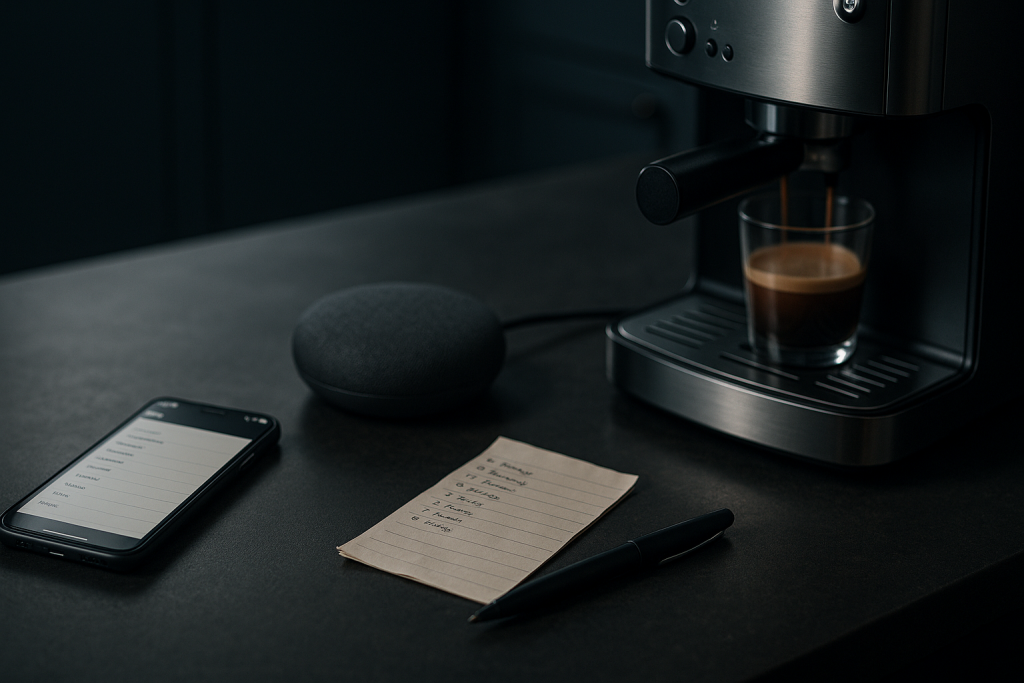
Imagine you’re juggling breakfast, emails, and a dash to work. Your smart speaker reminds you about an appointment, the coffee machine starts brewing at your usual time, and your thermostat adjusts the temperature just as you step out. No magic — just AI learning your routine.
It’s not just about gadgets. Streaming services use AI to suggest shows you might actually enjoy, not just the latest hype. Grocery apps can predict what you’ll need based on your past orders. With each small decision handed off to an algorithm, your brain gets a break. The result? Less stress, more time for things that matter to you.
Where Does AI Hide in Your Daily Routine?
Let’s break it down. You check the news: AI curates headlines tailored to your interests. You drive to work: Navigation apps analyze traffic data in real time, rerouting you to save minutes. Order lunch? The delivery app suggests restaurants you’ve liked before — and maybe tempts you with a discount at just the right moment.
Even your email inbox is smarter than ever. Spam filters use AI to catch the junk before it clutters your morning. And when your phone keyboard predicts your next word, that’s machine learning at play, quietly boosting your productivity.
Why Don’t Most People Notice AI in Action?
Here’s the uncomfortable truth: AI is at its best when it’s invisible. When a tool just works — your music playlist fits your mood, your photos sort themselves, your reminders pop up just before you forget — you’re unlikely to stop and wonder why. Most people only notice tech when it fails.
That’s by design. Tech companies want AI to blend in. Obvious AI (think: talking robots) often feels awkward. Subtle AI, on the other hand, feels natural — even comforting. As a result, many people underestimate just how much AI shapes their routines, or worry about it for the wrong reasons. The real risk is not paying attention at all.
What Happens When AI Gets It Wrong?
Let’s be honest: AI isn’t perfect. Sometimes, your map app sends you into a traffic jam. Your streaming service recommends a dud. Or your smart speaker mishears you and sets an alarm for midnight instead of noon. These moments can be annoying — or even dangerous, in rare cases.
The key is to treat AI as a helpful assistant, not an infallible oracle. Most systems let you correct mistakes or adjust preferences. Over time, AI learns from your feedback. But it’s worth staying alert: Blind trust in algorithms can backfire, especially when decisions matter (think: financial recommendations or health reminders).
How Can You Make the Most of Everyday AI?
You don’t need to be a programmer to benefit from AI. Get curious: Try out your phone’s smart features, or experiment with voice commands. If a recommendation feels off, take a moment to give feedback. Many apps let you tune your preferences or opt out of certain features.
Be mindful about what you share. AI works best when it understands your habits, but you’re always in control of your data — at least, you should be. Check privacy settings, and don’t be afraid to say no to features you don’t want. The balance? Use AI where it saves you time, but keep your eyes open to its limits.
What’s Next: Should You Expect More AI in Daily Life?
Here’s my prediction: AI won’t slow down. The next wave will be even more subtle — think: fridges that reorder groceries, cars that spot potholes, or apps that spot fake news before you read it. Some changes will be helpful, others might feel intrusive. The power is in your hands: Embrace what adds value, push back where it crosses the line.
Ultimately, AI is a tool. It won’t solve all your problems, but it can make daily life smoother if you use it wisely. My advice? Stay curious, stay in charge — and don’t let the algorithms do all the thinking for you.
Ready to Notice AI in Your Life? Start Paying Attention
You don’t need to fear or worship AI — just notice it. Take a day and count the quiet ways algorithms shape your choices. You’ll be surprised how often AI is already helping you, one tiny decision at a time. Want to get ahead? Learn what your devices can do, tweak your preferences, and use the time you save on what you truly care about.
FAQ
What are some everyday examples of AI I might use without knowing?
Everyday examples include navigation apps rerouting around traffic, streaming services suggesting shows, and email spam filters. Even predictive text on your phone uses AI.
Is AI listening to me all the time?
Most smart devices respond only when triggered by a wake word. However, some data is collected to improve services. You can usually adjust privacy settings.
Can I control how much AI influences my daily routine?
Yes. Many apps and devices let you adjust AI-driven features or opt out. Check your settings and permissions regularly for control.
What should I do if AI makes mistakes in my apps or devices?
Most services allow you to give feedback or correct errors. Over time, this helps AI learn your preferences and improve accuracy.