Key takeaways
- AI scams mimic real people and brands almost perfectly
- Traditional warning signs of fraud are less reliable now
- Personal vigilance and simple checks are vital
- AI can also help detect and block scams
- Education is your best defense against new fraud tactics
AI and Fraud: Why Are Scams Getting So Hard to Spot?
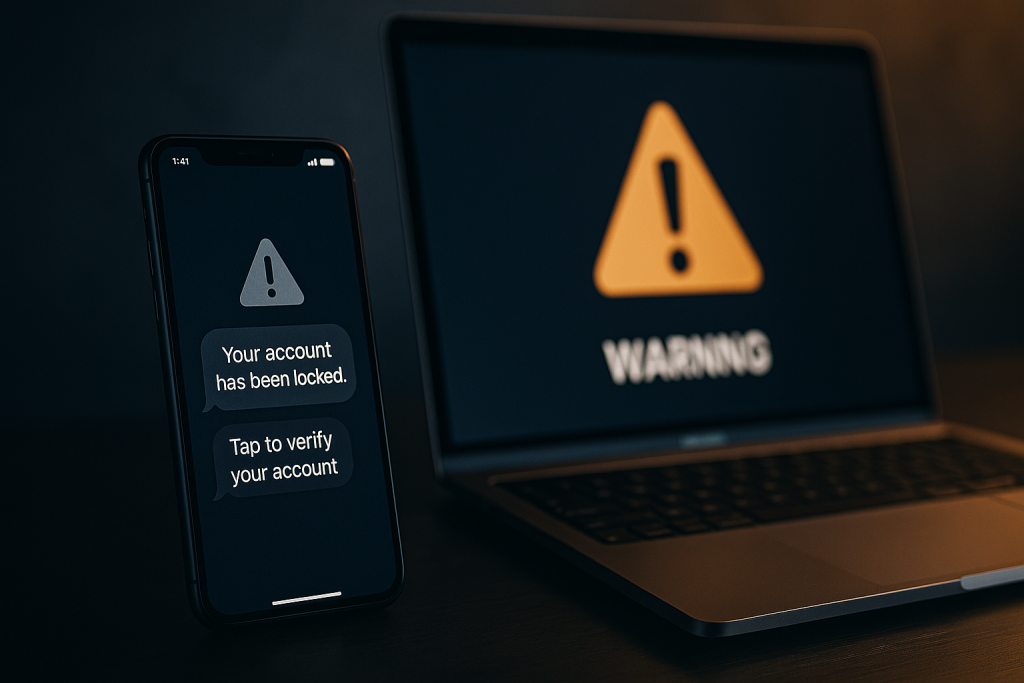
If you think you can always tell a scam by its poor spelling and clumsy design, think again. AI-powered fraudsters are turning their tools against us, creating emails, calls, and even videos that look and sound almost perfect. The question is no longer if you’ll encounter an AI scam, but when—and whether you’ll recognize it in time. So, what really changes when artificial intelligence meets fraud?
Definition: AI and fraud refers to the use of artificial intelligence by scammers to create convincing fake messages, voices, or even videos that trick people and businesses. The technology makes scams harder to detect, but also offers new ways to fight back. Here’s what you need to know to stay one step ahead.
Why Are AI-Powered Scams So Convincing?
Imagine you get a phone call from your bank. The voice sounds like a real person, and even knows your name and recent transactions. Or you receive an email from your boss, asking for urgent help with an invoice. These aren’t distant science fiction. AI tools can now mimic writing styles, voices, and even faces with uncanny accuracy. Fraudsters no longer rely on sloppy grammar or suspicious links—they let AI do the heavy lifting, making scams feel personal and urgent.
Instead of the old „Nigerian prince“ emails, you might get a message that quotes your last online purchase or uses phrases only your real contacts would use. If you’re waiting for a delivery, a fake AI-powered text about a package can catch you off guard. The line between real and fake blurs—and that’s exactly the danger.
How Do Traditional Scam Warnings Fail Against AI?
For years, experts told us to look for certain red flags: strange email addresses, bad spelling, or awkward phrasing. But AI can write better English than many of us, and even adjust its tone to sound like a friend or a colleague. Voice-generating tools can clone someone’s speech from a short recording, making fake phone calls sound eerily real.
Even video is no longer safe. Deepfake technology lets scammers create realistic videos of public figures or even your relatives. Imagine your „child“ video-calling for emergency help—how would you know it’s not real? The usual tricks, like checking for odd language or blurry images, are becoming less reliable. It’s a new game, and the old rules don’t always apply.
What Makes AI-Driven Scams So Dangerous?
The real threat isn’t just that scams look better—it’s that they can be tailored to each victim. AI can quickly gather details from social media, public records, or past data breaches. That means a scammer can use your employer’s name, your kids‘ school, or your recent vacation to craft a message that feels authentic.
For businesses, this is a nightmare. An AI-generated email that appears to come from the CEO can instruct finance teams to transfer funds urgently. For individuals, the risks can range from losing savings to having personal accounts hijacked. The emotional impact of being tricked by something so real can also be devastating.
How Can You Protect Yourself from AI Scams?
Here’s the good news: while AI has made scams smarter, it hasn’t made us powerless. The most effective defense is still skepticism—if something feels off, pause and double-check. Never act on urgent requests for money, passwords, or personal information without confirming through a separate channel. If you get a message or call that seems odd, reach out directly to the person or organization using a number or email you trust—not the one in the suspicious message.
Simple habits work. Use two-factor authentication on your accounts. Be careful about what you share online—it could end up in an AI scammer’s toolkit. If you receive a video or audio message asking for money or sensitive information, don’t be embarrassed to verify its authenticity. In many cases, a quick call or question can reveal the truth.
Can AI Also Help Stop Fraud?
It’s not all doom and gloom. The same technology that powers new scams is also being used to detect and block them. Banks and online services increasingly use AI to spot unusual activity, like strange login locations or unexpected transactions. Email providers deploy AI filters to catch suspicious messages before they reach your inbox.
Some companies are developing tools that can spot deepfakes or synthetic voices by analyzing tiny flaws the human ear can’t hear. While these solutions aren’t perfect, they’re getting better. In time, AI may become our best ally against AI-driven fraud—as long as we keep pushing for smarter detection methods and don’t let our guard down.
What’s the Real-Life Impact—and What Should You Watch For?
The biggest risk is assuming „it won’t happen to me.“ AI scams target everyone: retirees, tech-savvy professionals, students. A friend might suddenly message you for help, or your company’s payroll team might get urgent instructions to redirect funds. One common scenario: you get a call that sounds exactly like your family member, claiming they’re in trouble abroad and need money fast.
Don’t trust messages just because they know personal details. Scammers use information from social media or leaked databases. Always confirm requests through another channel, especially if money or sensitive data is involved. And remember: official organizations never ask for passwords or payments over email, text, or phone—no matter how real the request sounds.
What Will the Future Bring—and How Can You Stay Safe?
AI-powered scams will only get more sophisticated, but so will the defenses. Expect more tools that can flag suspicious calls, messages, or videos. But technology alone can’t replace human judgment. Stay curious, question the unexpected, and keep learning about new scam tactics.
If you work in a business, push for regular training on AI-driven threats. At home, talk openly with family and friends—especially those who may be less tech-savvy—about how convincing scams can become. The best protection is a mix of smart habits, ongoing education, and a healthy dose of skepticism.
Take Action: Don’t Be the Easy Target
AI scams are here, and they’re good—sometimes scarily good. But you don’t have to be the victim. Make it a habit to question, double-check, and stay informed. Share what you’ve learned with others. If something feels off, trust your instincts and verify before you act. In this new world, your caution is your strongest shield.
FAQ
What is an AI-powered scam?
An AI-powered scam uses artificial intelligence to create fake emails, calls, or videos that closely mimic real people or organizations. These scams are harder to spot than traditional ones.
How can I tell if a message or call is a scam?
Be suspicious of urgent requests, especially for money or personal information. Check details through a separate, trusted channel. Even if the message seems personal, always verify.
Can AI really mimic someone’s voice or face?
Yes, current AI tools can clone voices and faces with surprising accuracy using samples found online or from previous recordings. This makes phone and video scams more convincing.
What should I do if I think I’ve been targeted by an AI scam?
Stop communication immediately. Contact the real person or company directly through verified channels. Report the incident to your bank, employer, or local authorities to prevent further harm.